
Plastic surgery patients research for 3–6 months before booking. You need to be in front of them at every stage.
Most plastic surgery practices run ads that don't convert because they're hitting research-phase buyers with decision-phase offers. Meta restricts before/after imagery. Google requires LegitScript certification. And patients considering an $8,000–$25,000 procedure don't book from a single ad — they read, compare, and come back. Gobiya builds the SEO, content, and paid strategy that matches each stage of that journey and turns it into consultation bookings.
Elective MedicineGoogle Ads PPCAesthetic MarketingHIPAA ComplianceLocal SEO & Map PackReview Velocity
Overview
What Plastic Surgery Digital Marketing Actually Includes
Plastic surgery digital marketing operates under constraints that don't apply to most industries. Meta (Instagram, Facebook) restricts before/after imagery in paid ads and prohibits targeting based on body image insecurities. HIPAA governs how patient data can be used in retargeting. The FTC requires disclosure for paid testimonials. Google's healthcare advertising policies require LegitScript certification for certain cosmetic procedure keywords.
We build plastic surgery digital marketing systems that work within these constraints. That means prioritizing channels where compliance is manageable — organic search, Google Ads with compliant creative, content marketing, and review management — and structuring each channel to compound into the next. A patient who finds your practice via organic search for 'rhinoplasty recovery timeline' reads three more posts, sees a retargeting ad (compliant), visits your consultation booking page, and books.
$0K–$25K
Average procedure value in elective medicine — the economics that make SEO and content the highest-ROI acquisition channel
0–6 mo
Typical patient consideration cycle for procedures — why content architecture that nurtures outperforms single-touch ads
0+
Qualified leads per month built for a home-services client through the same local SEO and PPC compound system we deploy for medical practices
What's included
What plastic surgery digital marketing actually includes
01
Patients search "rhinoplasty recovery week by week" before they ever search for a surgeon — and your site isn't there
Each procedure needs a dedicated landing page built around the full query map: cost queries, recovery questions, comparison queries, and "near me" intent. Without procedure-specific pages that match what buyers actually search, your practice is invisible for most of the 3–6 month decision journey.
02
Your Google Ads are paying for research-phase clicks that never convert into consultations
Campaigns without tight negative keyword lists spend on "rhinoplasty before and after" and "what is a mommy makeover" — research intent, not booking intent. We build campaigns around high-conversion procedure queries, exclude research traffic, and retarget the visitors who almost booked with RLSA. Cost per consultation is the only KPI we optimize toward.
03
You're publishing blog posts but patients research for months and there's no system to keep them coming back to you
Informational posts about procedures attract buyers who won't book for 90 days. That audience is valuable only if there's a nurture layer: email capture, remarketing sequences, and consultation CTAs woven into the content experience. Without it, you're building audience for your competitors to retarget.
04
You have satisfied patients who never leave a review — and it's costing you Map Pack positions to competitors with half your skill
Review velocity is what separates Map Pack position 1 from position 4. A practice with 60 reviews and 5 in the last 30 days consistently outranks one with 200 total and none in six months. We build the post-appointment workflow that generates authentic reviews from real patients on Google and RealSelf — within policy, without incentivizing.
05
Patients search "plastic surgeon near me" on Google Maps and your practice doesn't appear in the top three
Map Pack visibility for local procedure queries is driven by GBP category accuracy, NAP consistency across directories, and review velocity — not just website ranking. We optimize your Google Business Profile, align your citation data across 40+ sources, and inject local schema to secure the Map Pack positions that generate the most consultation requests.
06
A prospective patient asks ChatGPT "best board-certified rhinoplasty surgeon in Los Angeles" — your competitor appears, not you
AI platforms cite practices with verified entity data, structured schema, and content formatted for passage-level extraction. Most practice websites have none of these. We engineer your AI search presence so your brand appears when patients research options in the channel that now influences 30–40% of high-consideration purchase journeys.
Query fan-out cluster
How we cover the full plastic surgery marketing search landscape
SEO & Discoverability
"seo discoverability agency"
The technical SEO practice behind every plastic surgery campaign — crawl health, entity architecture, and procedure-level keyword engineering.
Google Ads & PPC
"google ads ppc strategy agency"
High-intent paid search for plastic surgery — procedure-specific ad groups, RLSA remarketing, and cost-per-consultation tracking.
Authority Building
"authority building agency"
Editorial backlinks and structured citations that establish your practice as the topical authority in your procedure and geography.
Technical SEO Audit
"technical seo audit agency"
Full diagnostic of crawl health, Core Web Vitals, and structured data — the technical baseline your rankings depend on.
Patient Acquisition Journey
Connecting touchpoints from initial query to booked procedure
Elective medical decisions aren't made on a whim. The journey is multi-session, starting with information queries about safety, cost, and recovery, moving into comparative analysis of surgeons, and ending with direct consult booking.
Campaign Architecture
How to build a plastic surgery marketing campaign that compounds
A plastic surgery marketing campaign that compounds is one where each channel reinforces the others over time. SEO builds organic visibility that reduces paid search cost per click. Content earns trust that increases conversion rate on paid search. Reviews earned through organic patient interactions improve Map Pack rankings. The whole system produces more consultations per dollar spent after 12 months than it did in month one.
Campaigns that don't compound are ones built around a single channel — typically a high paid-search budget with no organic or content layer. Those produce results that plateau early and stop entirely when the budget stops. We build the compound version.
Phase 01Foundation
- —Technical SEO audit of existing site
- —Procedure page keyword mapping (all target procedures)
- —GBP optimization and local citation audit
- —Conversion tracking setup (call tracking, form submissions, consult requests)
Phase 02Build
- —Procedure landing pages created or restructured
- —Schema markup: MedicalProcedure, Physician, LocalBusiness
- —Google Ads account structure built by procedure group
- —Content calendar for nurture-phase blog content
Phase 03Activate
- —Paid search campaigns launched with conversion tracking live
- —Review acquisition workflow implemented with front desk
- —Content publishing begins (2–4 posts/month minimum)
- —RLSA remarketing audiences activated after 30-day cookie pool
Phase 04Compound
- —Monthly SEO rank reporting by procedure query
- —Cost-per-consultation reported from paid search
- —Review count and recency tracked monthly
- —Content clusters expanded based on search demand data
Patient Acquisition Funnel
AwarenessOrganic SEO · AI citations · Content
ConsiderationRemarketing · Review management
DecisionPaid search · Direct booking
ConversionConsultation booked
What works in 2026
Plastic surgery marketing ideas that work in 2026 — and ones that don't
Most plastic surgery marketing ideas you'll find online are either outdated (social-first strategies that ignore organic search) or undifferentiated (every practice has a before/after Instagram). The ideas that drive real patient acquisition in 2026 are ones that reach patients where they're actually making decisions — on Google, in AI-generated answers, and in review platforms.
High-return in 2026
Procedure cluster SEO
Deep topic hubs around each procedure — answering the full research journey from "what is X" to "X recovery week 2" to "X cost in LA" — capturing organic traffic at every stage.
AI citation optimization
Engineering your practice content to appear in ChatGPT, Perplexity, and Google AI Overviews. Patients increasingly start their plastic surgery research with AI-generated answers.
Google Ads by procedure + RLSA
Tightly themed ad groups per procedure, with RLSA remarketing to warm audiences who visited your procedure pages but didn't book a consult.
Review velocity system
A repeatable post-appointment workflow that generates consistent new Google and RealSelf reviews.
Lower-return or declining
Before/after Instagram as primary channel
Before/after posts drive engagement but convert poorly without an SEO or paid search layer capturing patients who are actively searching.
Broad awareness display ads
CPM-based display campaigns generate impressions but don't capture intent. Elective medicine is a high-consideration decision.
Single-page procedure sites
Sites with one thin page per procedure, no content depth, and no internal linking structure are outranked by practices with comprehensive procedure hubs.
Buying RealSelf reviews
Paid or incentivized reviews on medical review platforms violate platform terms and FTC guidelines.
How to choose
Plastic surgery internet marketing reviews — what to look for when choosing a company
Searching "plastic surgery internet marketing companies" or "plastic surgery marketing agency reviews" produces a long list of agencies — most of them general digital marketing shops that have added a healthcare page to their site. Very few have specific plastic surgery client experience, compliance knowledge, or documented patient acquisition outcomes.
Ask forProcedure-level keyword rankings
Not branded traffic. Not overall sessions. Specific non-branded procedure queries and the positions they rank for, before and after the engagement.
Ask forCost-per-consultation data
From paid search specifically — how many consultation form fills and phone calls per $1,000 of ad spend, for a practice with a similar procedure mix.
Ask forCompliance track record
What is their protocol for Meta ad creative that avoids before/after restrictions? Have they had client accounts suspended? How did they resolve it?
Why Gobiya — the short version
BBB A+ rated, serving medical and aesthetic practice clients since 2012. We've built procedure-specific SEO systems, run compliant Google Ads for medical aesthetics, and recovered practices from GBP suspensions and Google algorithm hits. Our case studies document specific outcomes — not impressions. We don't take clients in categories where we can't produce documented results in the first 90 days.
Common questions
Things clients ask before they start
Ready to build a pipeline that scales?
Our team responds within one business day.
Explore the latest articles
Read all articles
Strategy
B2B Pipeline Revenue: How B2B Companies Use SEO to Scale
May 31, 2026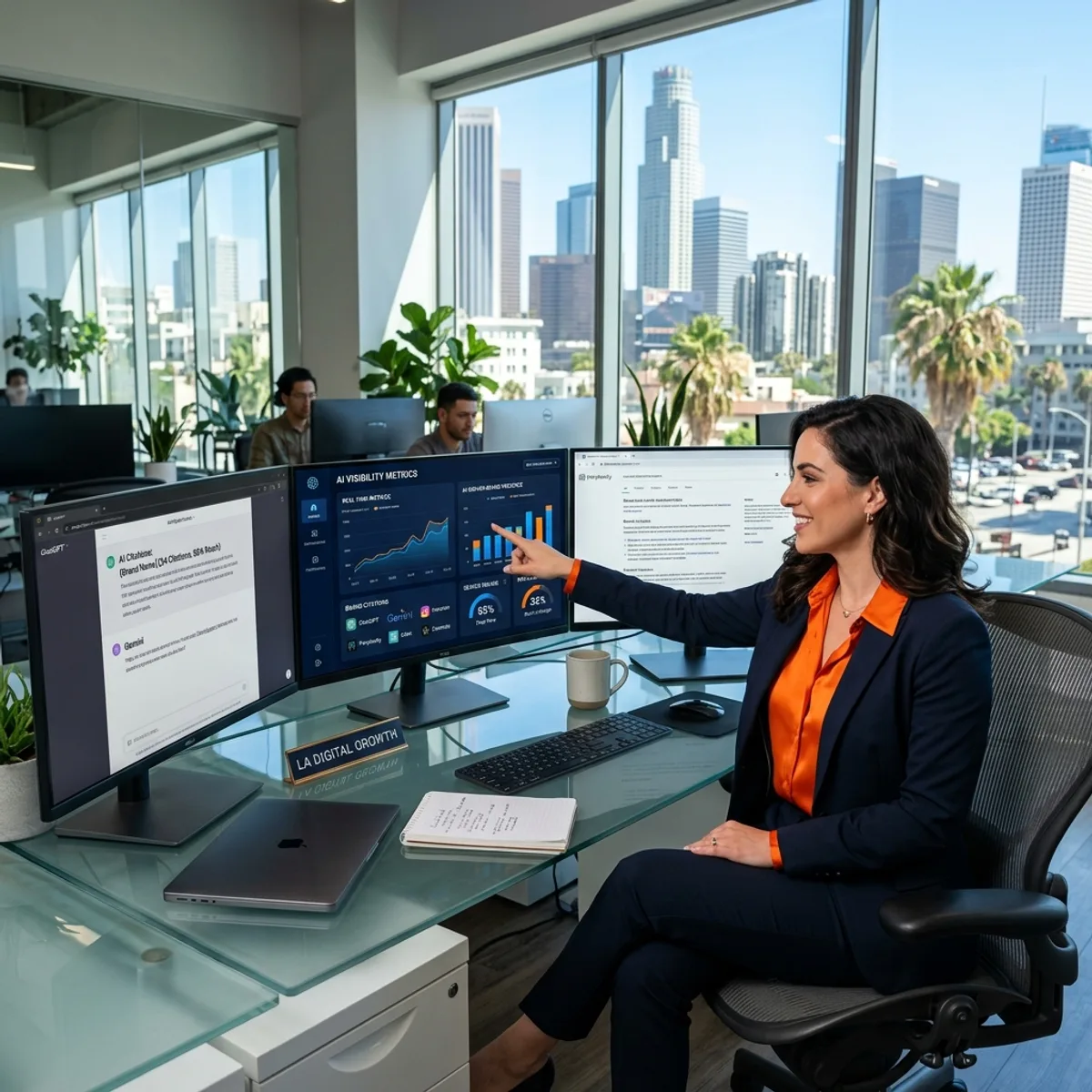
AI SEO
What Are AI SEO Services? The 2026 Guide to Getting Cited by AI
June 25, 2026
Local SEO
Multi Location Websites for Franchises: The 2026 Web Architecture Playbook
June 13, 2026
Strategy
How Can a Startup Figure Out Whether Its Content Is Being Picked Up by LLMs?
June 30, 2026
Strategy
Introducing the Open Knowledge Format: Why It Matters for AI-Ready Businesses
June 17, 2026
Strategy
B2B Organic Traffic Growth: Why Traffic and Pipeline Decoupled in 2026 and What to Do About It
May 26, 2026
Strategy
How to Apply Behavioral Psychology Principles to High Ticket B2B Landing Page Wireframes to Decrease Friction
June 12, 2026
Strategy
Enterprise SEO Agencies vs. Gobiya: The Honest Comparison
June 3, 2026Let's work together